
TarangireNational Park
Land of Giants - Tanzania's Elephant Paradise
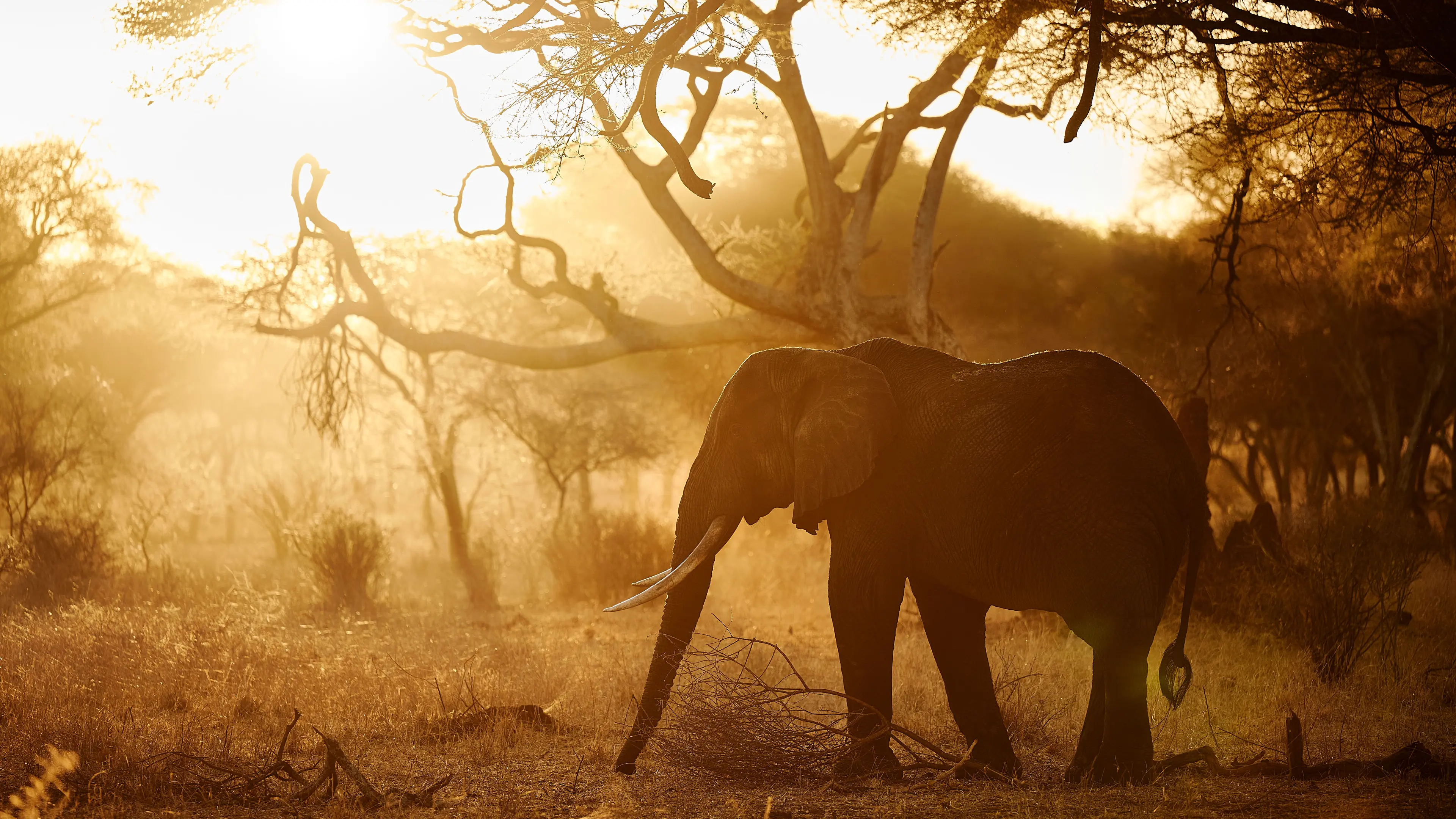
Tarangire National Park, Tanzania's sixth-largest park at 2,850 square kilometers, is renowned for having the highest elephant concentration in Tanzania and perhaps all of Africa. During the dry season (June-October), over 3,000 elephants gather along the Tarangire River, creating unforgettable wildlife spectacles.
What Makes Tarangire Special:
- Elephant Herds: Largest concentration in Tanzania—300+ elephants in single sightings common
- Ancient Baobabs: Iconic 1,000+ year old baobab trees dot the landscape
- Tree-Climbing Lions: A unique behavior adapted to avoid buffalo and stay cool
- Year-Round Wildlife: Unlike Serengeti, resident game stays year-round
- Bird Paradise: 550+ species—Tanzania's most diverse birding destination
The Tarangire River:
The lifeblood of the park, this permanent river draws massive wildlife concentrations during dry months. Elephants, buffalo, wildebeest, zebras, giraffes, and predators all converge on its banks.
Beyond the Main Circuit:
The remote southern regions (Sangaiwe, Silale Swamp) offer exclusive wildlife viewing with virtually no other vehicles. Walking safaris here provide intimate encounters with the bush.
Halal Safari Excellence:
Our Tarangire camps specialize in halal gourmet bush cuisine. Night game drives (available with special permits) accommodate prayer schedules. Female guides available.
Country
Tanzania
Region
Northern Circuit
Tours Available
0
A Living
Sanctuary
- Elephants: 3,000+ in dry season—Tanzania's largest concentration
- Big Cats: Lions (including tree-climbers), leopards, cheetahs
- Large Herbivores: Buffalo herds (2,000+), wildebeest, zebra, giraffe, fringe-eared oryx
- Rare Species: Greater kudu, gerenuk, lesser kudu
- Predators: Spotted hyenas, wild dogs (occasional), jackals, honey badgers
- Birds: 550+ species—ashy starlings (endemic), yellow-collared lovebirds
- Primates: Olive baboons, vervet monkeys

When to Visit
Best Time
Peak Season (July-October): Dry season brings massive wildlife concentrations to the river. Elephant herds of 300+ common. Best photography conditions.
Green Season (November-May): Migratory birds arrive, newborn animals, lush vegetation. Elephants disperse but still present.
Birding Peak: November-April when 200+ migratory species join residents.
Ideal Duration: 2-3 days to explore main areas and remote southern sector.
Climate
Dry Season (June-October): Hot days (30-35°C), cool nights (15-20°C). Very dusty, clear skies.
Wet Season (November-May): Warm and humid. Afternoon thunderstorms. Roads generally passable except during heavy downpours.
Altitude: 900-1,200m—lower and warmer than Ngorongoro.
Tarangire National Park FAQs
Common questions about visiting Tarangire National Park
Tarangire hosts Tanzania's largest elephant population: • Dry season (June-October): 3,000+ elephants congregate along the Tarangire River • Herds of 300+ individuals are common sightings • Large bulls with impressive tusks • Excellent for elephant behavior observation - bathing, playing, nursing The permanent Tarangire River draws elephants from across the region as other water sources dry up. It's Africa's best destination for elephant photography.
Tarangire is known for lions that climb trees - a relatively rare behavior: • Lions climb large acacia and sausage trees • Reasons: Escaping heat, avoiding buffalo, getting better views • Best spotted during dry season when they seek shade • Similar behavior seen in Lake Manyara While not guaranteed, tree-climbing lion sightings are regular in Tarangire, especially near the main circuits.
Tarangire is Tanzania's premier birding destination with 550+ species: • Endemic species: Yellow-collared lovebird, ashy starling • Raptors: Martial eagles, bateleur, secretary birds • Seasonal migrants (November-April): European and African migrants • Wetland birds along Silale Swamps and Tarangire River • Ground hornbills, kori bustards, red-and-yellow barbets Best birding: November-May during the wet season when migrants arrive.
Different experiences, both excellent: • Tarangire: Better for elephants, baobab scenery, birding, fewer tourists • Serengeti: Better for Great Migration, big cats, vast open plains Tarangire advantages: • Less crowded (especially off-peak) • Closer to Arusha (2 hours vs 8 hours) • More varied landscape (baobabs, swamps, kopjes) • Lower park fees • Excellent as day trip or 2-day add-on
Best times: • Dry season (June-October): Peak wildlife, elephants at river, easiest animal spotting • November: Short rains begin, great for birding, fewer tourists • January-March: Green season, migratory birds, baby animals Avoid April-May for heavy rains (some areas inaccessible). Recommended duration: 2-3 days to fully explore the park.
Ready to Experience
Tarangire National Park?
Let our experts craft your perfect halal safari adventure